Abuja Nigeria insight on website development, custom software, and business growth.Why every Nigerian SME needs a website in 2026
Instagram can spark attention, but it cannot replace a searchable, credible, conversion-focused website. In 2026, Nigerian SMEs that own their digital presence will win more trust, more leads, and more repeat business.

Introduction
For Nigerian SMEs, the old argument that "social media is enough" is getting weaker every quarter. Customers now expect to verify a business before they send money, book a service, or visit a location. A proper website is no longer a luxury asset for established brands. It is basic infrastructure.
Mobile internet access continues to shape how Nigerians discover and compare businesses. The first thing many buyers do after seeing your brand on Instagram, TikTok, or WhatsApp is open Google and search your name. If they find no website, no clear offer, and no structured information, trust drops immediately.
Social platforms are still useful, but they are rented land. Your reach can fall overnight because of an algorithm change, account restriction, or a shift in platform behaviour. A website gives you a stable destination you control: your story, your services, your pricing logic, your contact flow, and your customer data.
In 2026, the SMEs pulling ahead are not always the loudest online. They are the businesses that make discovery easy, decision-making simple, and trust immediate. That is exactly what a good website does.
Social media cannot carry the full business load
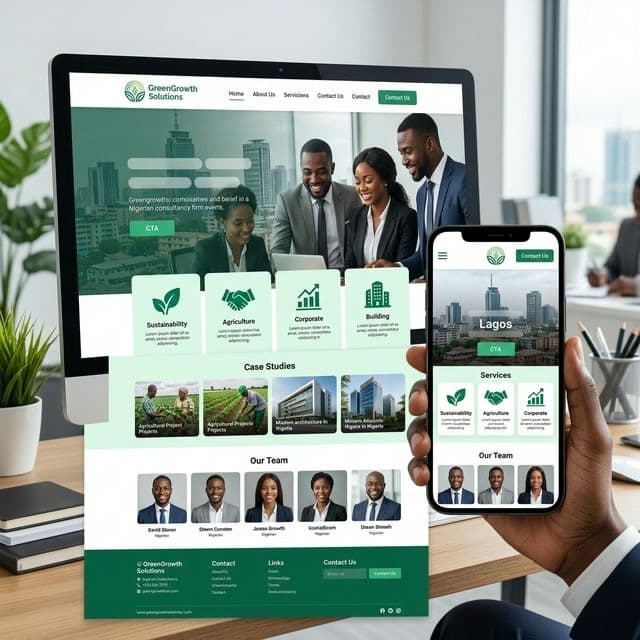
Instagram is excellent for awareness, but it is a poor operating system for a growing company. Posts disappear quickly, captions are hard to search, links are limited, and old content is difficult for a new customer to navigate. When someone lands on your profile for the first time, they still have to work too hard to understand what you sell and how to buy.
A website solves that by structuring information properly. It gives each service its own page, each offer its own conversion path, and each audience its own message. A logistics company can show coverage routes, turnaround times, and quote forms. A consulting firm can explain its process, client outcomes, and booking flow. An e-commerce brand can move from storytelling to checkout in a controlled sequence.
The difference is important: social media helps people notice you, but a website helps them decide.
Google discoverability changes the game
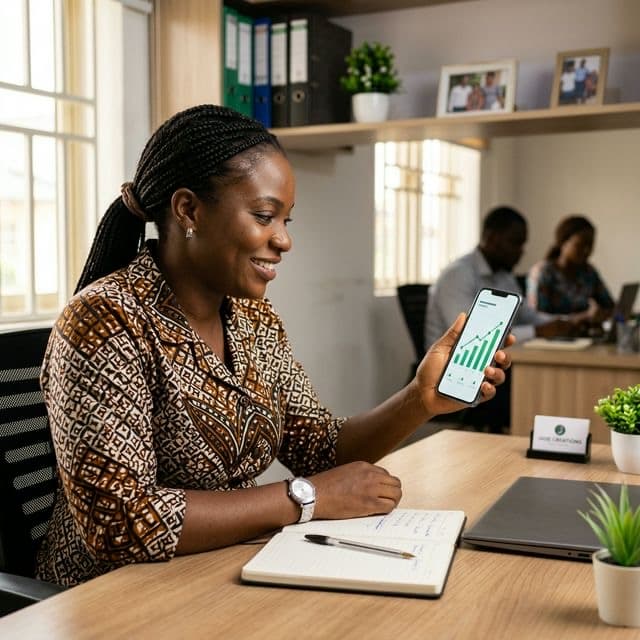
Many Nigerian businesses underestimate how much intent exists in search. People search for phrases like "event planner in Abuja", "hair vendor in Lagos", "best payment gateway for SMEs", or "custom website developer near me". Those are not passive viewers. They are buyers actively trying to solve a problem.
If your business has no website, you are invisible in that intent-driven moment. Even if you are well known on Instagram, you will lose traffic to competitors who have service pages, articles, FAQs, pricing explanations, and local SEO signals. Search visibility compounds. The earlier you build it, the more advantage you create.
A website also allows you to publish educational content that keeps working long after you post it. One strong article can rank for months, bring qualified traffic, and generate leads at a lower cost than repeated paid promotions.
Trust signals matter more than ever
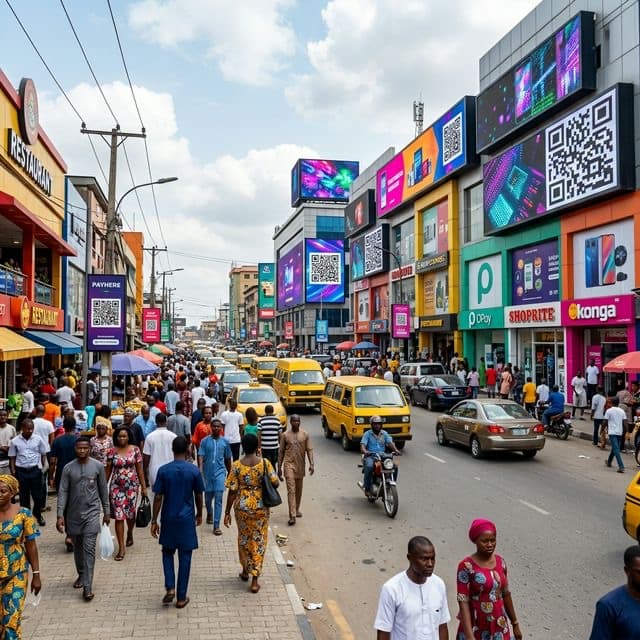
Nigerian customers are more cautious than they used to be, and for good reason. Fraud, poor delivery experiences, and weak customer service have made buyers more skeptical. Before they commit, they look for evidence that a business is legitimate and organized.
Your website can provide those signals clearly: a professional domain, verified contact information, testimonials, case studies, clear policies, real team pages, delivery expectations, and secure payment flows. Each one reduces uncertainty.
The businesses that look credible online tend to charge better prices too. Trust affects margin. When a website communicates competence, buyers spend less time negotiating and more time moving forward.
Competitor advantage is now digital advantage
In most sectors, the real competition is not just product quality. It is speed of response, clarity of information, and ease of purchase. If two businesses offer similar value, the one with the better digital experience usually wins.
That advantage is especially visible in service industries. A firm with a clear website, structured inquiry form, automated follow-up, and published proof of work can outperform a stronger but poorly presented competitor. The customer does not compare your internal capability. They compare what they can see and understand.
A website becomes the public interface of your operational maturity.
Conclusion
A website in 2026 is not about vanity. It is about discoverability, trust, and control. It gives your business a permanent digital headquarters that works while you sleep, clarifies your offer, and improves conversion from the attention you already earn elsewhere.
For Nigerian SMEs, the question is no longer whether a website is necessary. The better question is whether your current digital setup is helping people trust you fast enough to buy.
Nuel
Founder & CEO, Nuelsville
Founder of Nuelsville Technologies. Building practical tech solutions for Nigerian SMEs and growth-focused operators since 2023.
Keep reading
How to brief a tech team properly
A weak brief creates rework, delay, and misaligned expectations. A strong brief helps your tech team understand the business problem, the constraints, and the outcome that actually matters.
How we built The Global Hustlr
A practical breakdown of the product, content, and infrastructure choices behind The Global Hustlr. This is how we used Next.js App Router, Sanity, and Vercel to ship a fast editorial platform that could scale cleanly.
5 business processes you should automate today
Get insights before they're published.
Weekly provocations on tech, strategy, and design delivered to your inbox without the noise.
SubscribeNo spam. Ever. Verified by founders.